

Chest Gallery
$$MultiPurposeText$$
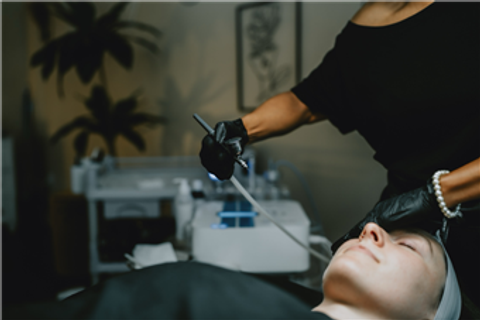
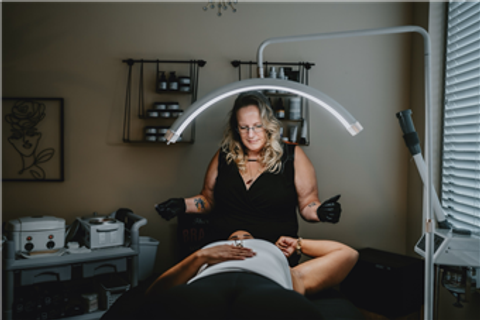
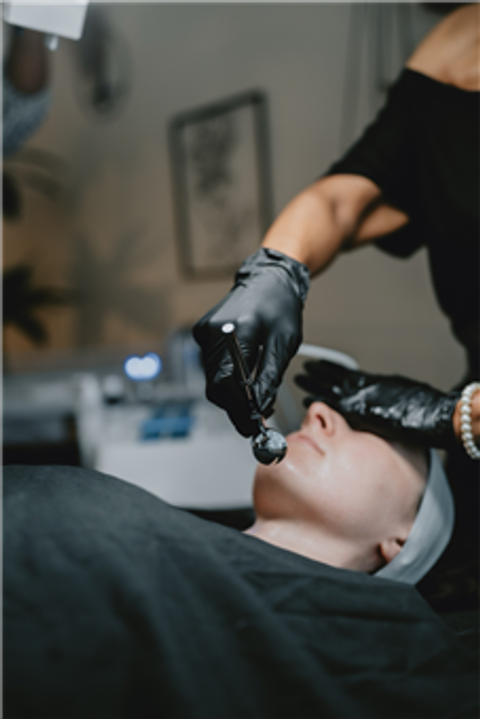
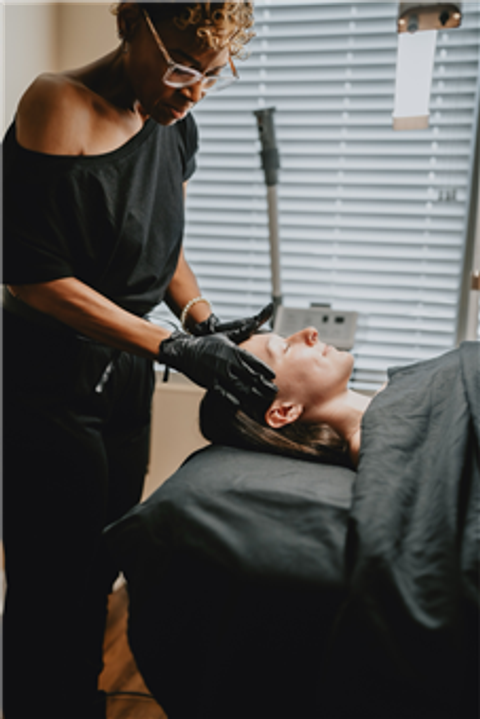
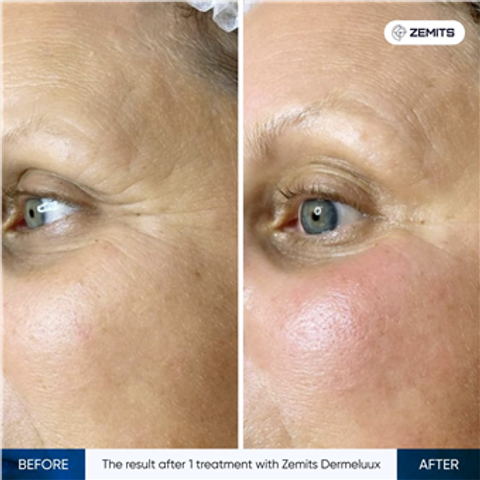
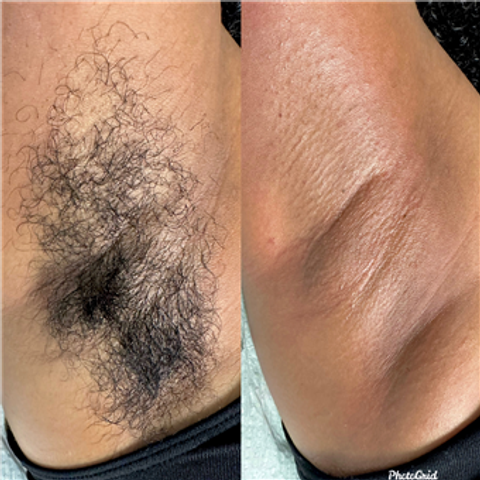
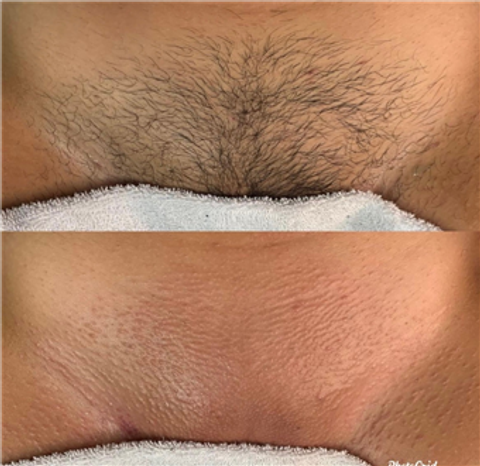
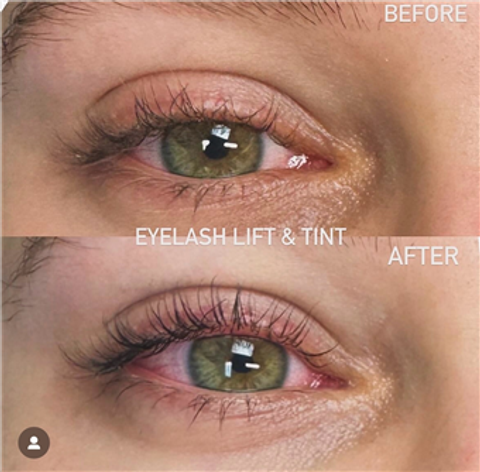
See examples of our Chest work and results.













What Our Clients Say
$$MultiPurposeText$$
Read testimonials from our satisfied customers

I recently moved to the area and was looking for a new waxing studio, and I am so glad I f...more

I enjoy going to mixed esthetics for my waxes. All of the ladies there are great. Excellen...more

Had a very good waxing appointment. They made me feel very comfortable

Wonderful experience for my first wax! Got a Brazilian, legs, and underarm! Already booked...more

The most amazing place to go to relax and have the best conversations while your getting w...more

I’ve been seeing Amber consistently for the past 2/3 years for waxing and she is genuinely...more

Frequently Asked Questions
Get answers to common questions about Chest.
Chest waxing typically keeps skin smooth for three to six weeks, depending on your hair growth cycle, hormones, and activity level. Individual results vary. Regular appointments often extend time between sessions and consistent aftercare helps prolong results.
Some discomfort is normal, but most clients find chest waxing tolerable. Pain varies with sensitivity, hair thickness, and experience. Reduce discomfort by breathing deeply, arriving relaxed, and avoiding caffeine. Regular waxing can lessen pain as hair grows back finer.
Before your appointment, let chest hair be about a quarter to half an inch long so the wax can grip properly. Avoid recent sun exposure and strong topical treatments. Clean, dry skin ensures a smoother, more effective waxing session.
Apply cool compresses and a soothing aloe or post-wax lotion to calm the skin. Avoid hot tubs, heavy exercise, and tanning for 24 to 48 hours. Exfoliate gently after 48 hours to prevent ingrown hairs and maintain smooth results.
Yes, ingrown hairs can occur, especially with curly or coarse hair. Prevent them by gently exfoliating, using salicylic acid treatments, and keeping the area clean. Professional technique and consistent waxing reduce ingrowns over time; seek treatment for persistent irritation.
Avoid chest waxing if you have sunburn, open wounds, active skin infections, or are on isotretinoin (Accutane) within the past six months. Consult your esthetician or physician if you have psoriasis, eczema, or recent cosmetic procedures.