

Custom Enzyme Facial Gallery
$$MultiPurposeText$$
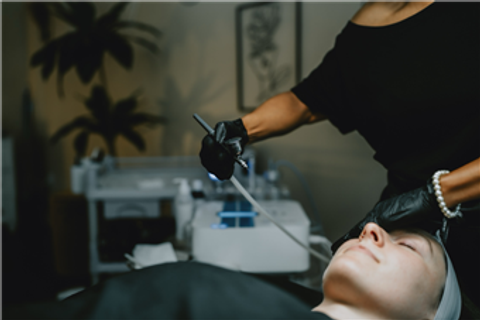
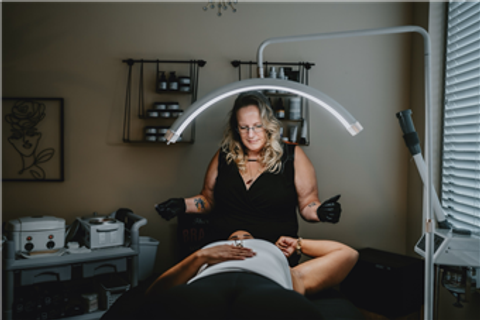
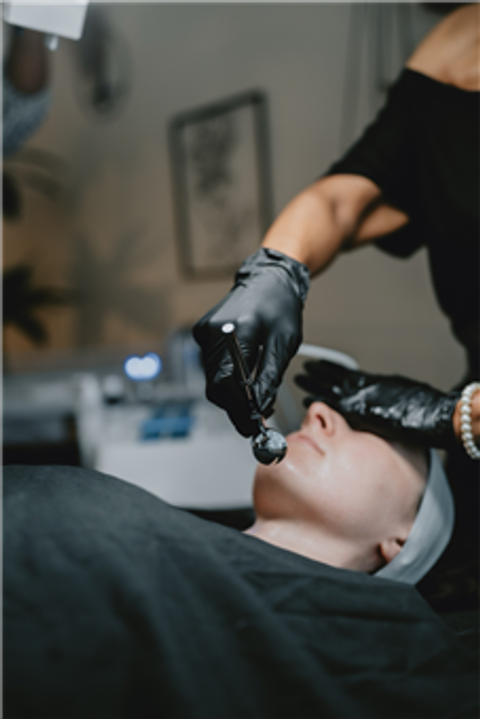
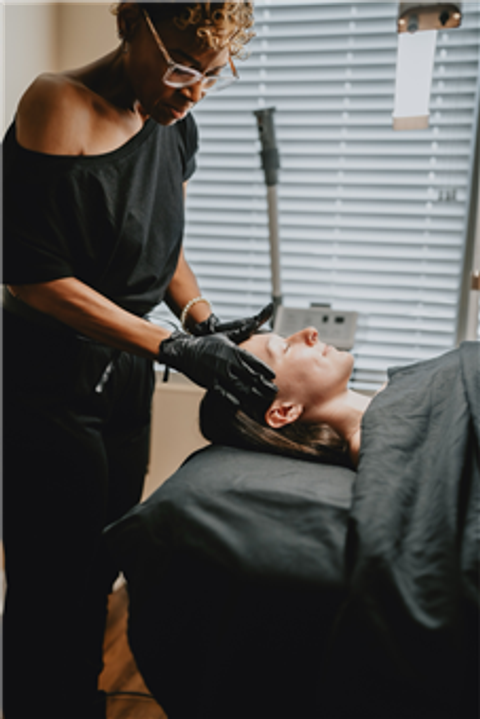
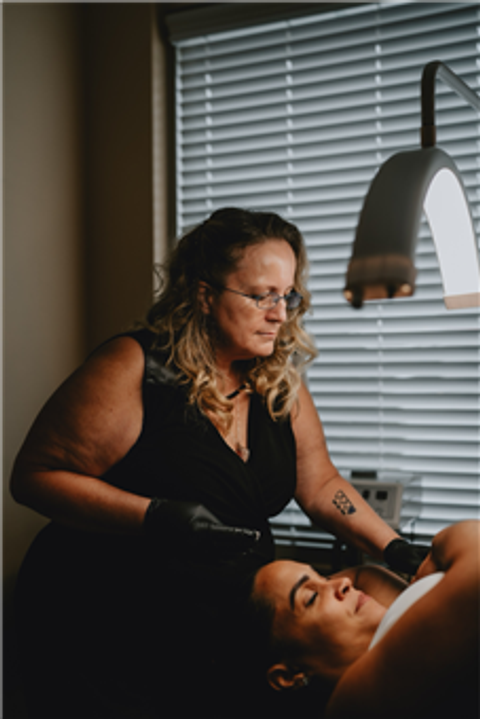
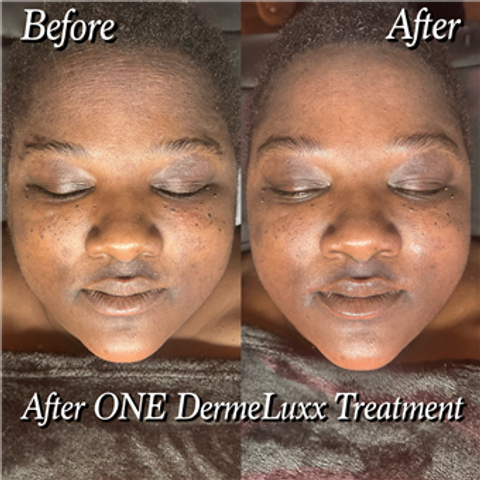
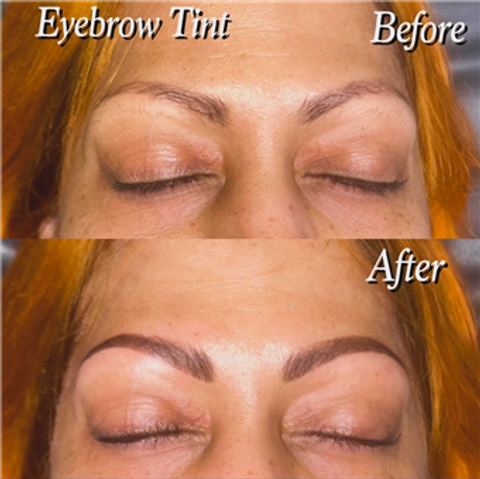
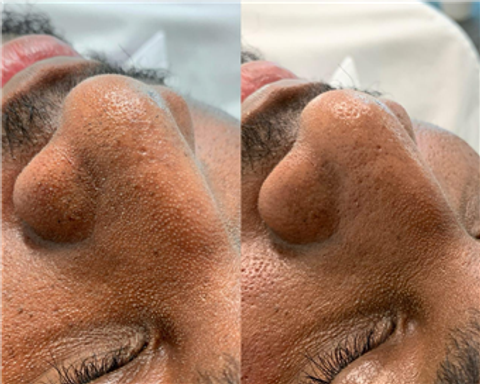
See examples of our Custom Enzyme Facial work and results.






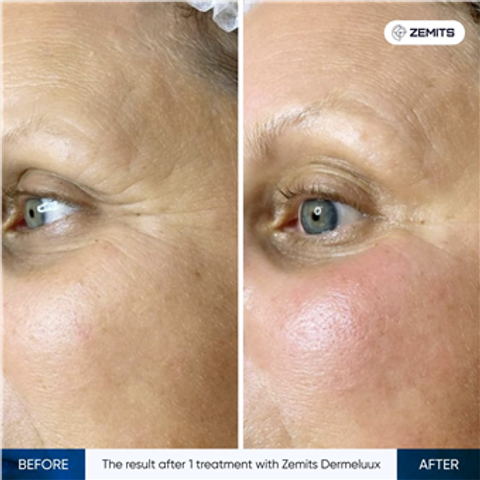


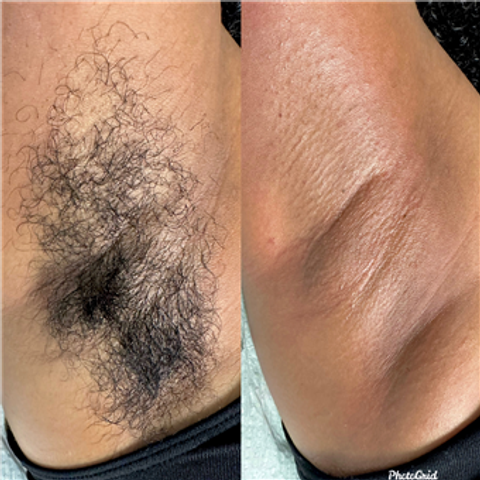


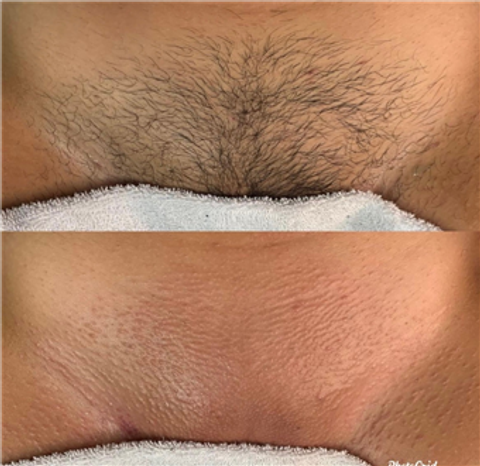
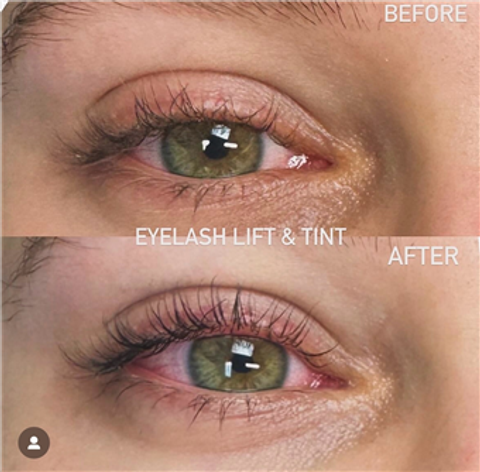



What Our Clients Say
$$MultiPurposeText$$
Read testimonials from our satisfied customers

Amber is very skilled at facials and waxing. I recommend her and her colleagues for any es...more

This is the first facial, I absolutely loved it! Mine face is still smooth and it is still...more

The skin treatments I received at Mixed Esthetics was fabulous. My skin looks and feels s...more

Amber is fantastic. Very professional and gifted with her facials.

Frequently Asked Questions
Get answers to common questions about Custom Enzyme Facial.
Yes. Formulas are adjusted after a thorough skin analysis; milder enzymes and shorter application times minimize irritation. Patch tests are performed when needed. Share any allergies or medical concerns beforehand so your esthetician can customize the treatment safely.
Typically every 4–6 weeks to support cell turnover and maintain results; more frequent visits may be recommended for acne, pigmentation, or intensive resurfacing plans. Your esthetician will create a schedule based on your skin goals and response.
Most clients experience little to no downtime. Mild redness or flaking can appear for 24–72 hours depending on enzyme strength and skin sensitivity. Post-care guidance reduces peeling; avoid active ingredients and sun exposure until skin calms.
Often yes — enzymes gently dissolve dead cells and excess oil without abrasive scrubbing. For rosacea or active inflammatory acne, your esthetician will adjust enzyme strength or avoid treatment and recommend safer options to prevent irritation.
Avoid retinoids, strong acids, waxing, or aggressive exfoliation for at least 72 hours before and after. Limit sun exposure and don't use self-tanners. Follow your esthetician's home care plan to protect the renewed skin and prolong results.
Yes — enzyme facials pair well with many treatments like hydrafacial, LED therapy, or gentle peels when scheduled appropriately. Your esthetician will plan timing to maximize benefits and reduce risks, tailoring combinations to your skin type and goals.