

High Frequency Gallery
$$MultiPurposeText$$
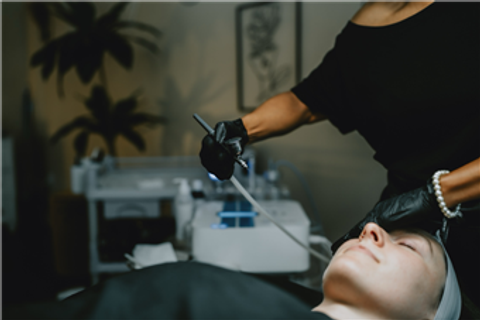
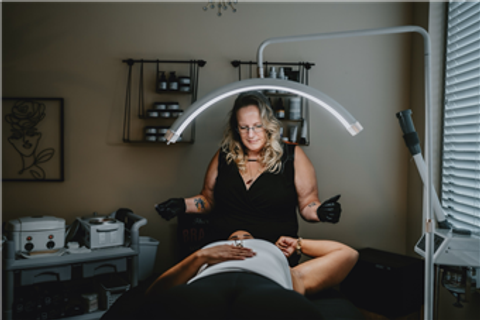
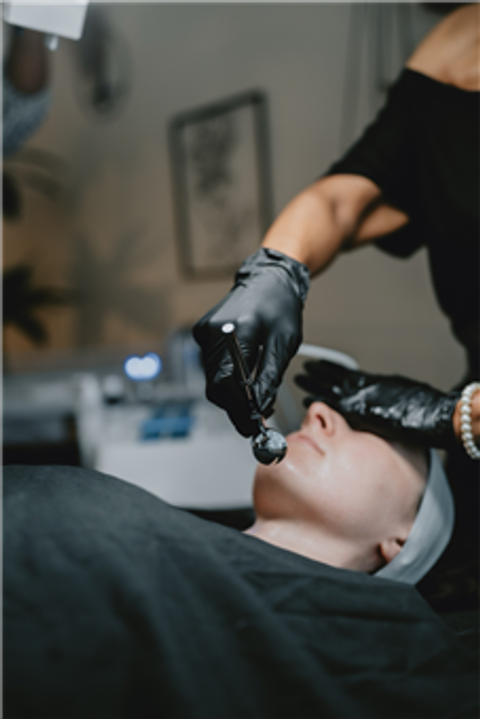
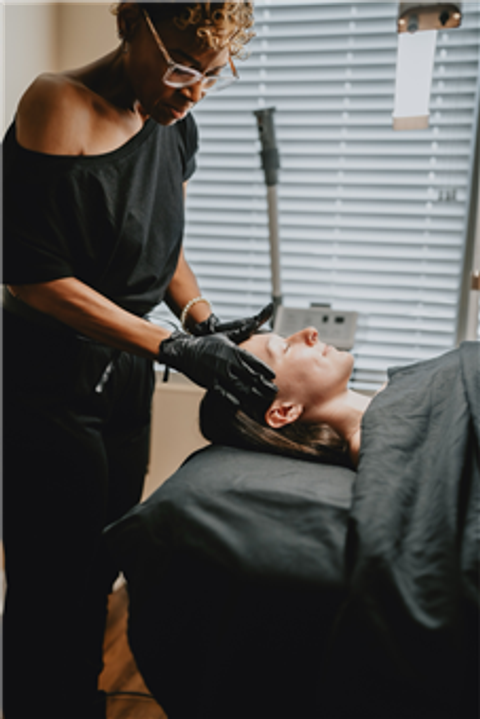
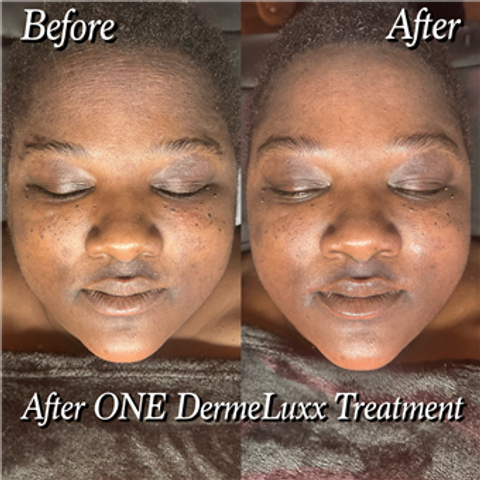
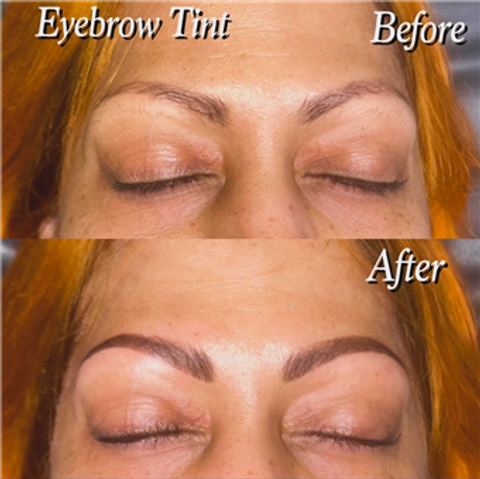
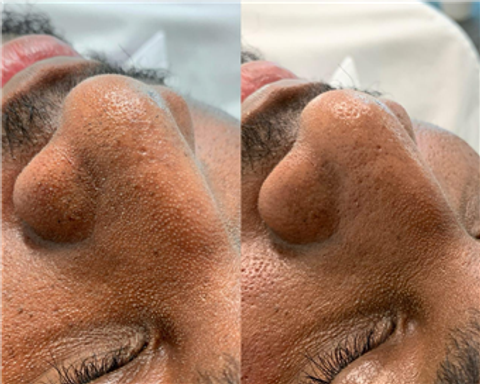
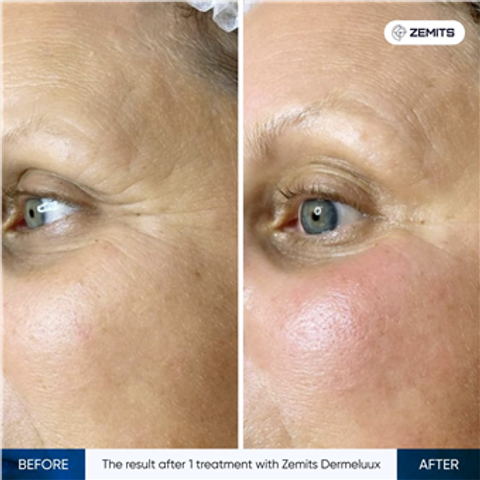
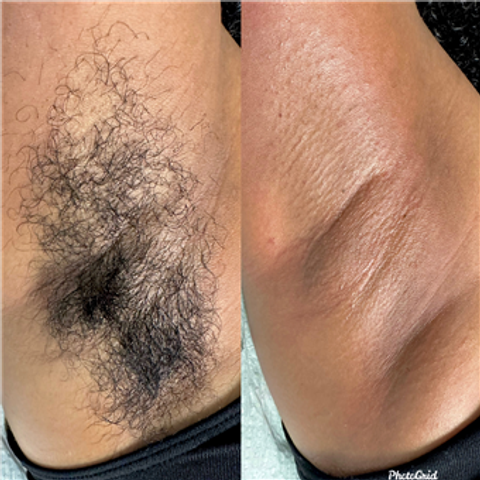
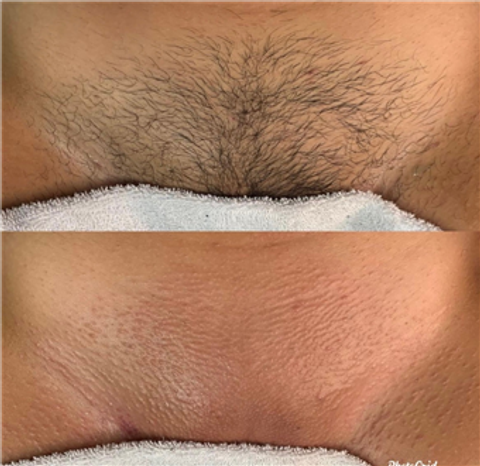
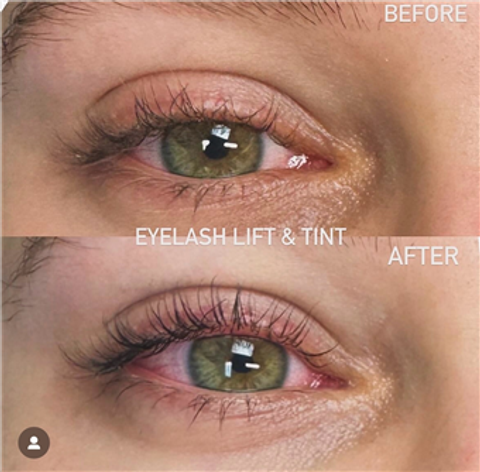
See examples of our High Frequency work and results.















What Our Clients Say
$$MultiPurposeText$$
Read testimonials from our satisfied customers

I recently moved to the area and was looking for a new waxing studio, and I am so glad I f...more

I had an amazing experience here. Amber is extremely professional, friendly, and knowledge...more

AMAZING FULL BODY WAXDXX

I enjoy going to mixed esthetics for my waxes. All of the ladies there are great. Excellen...more

I always have a great experience here! The staff are knowledgeable and the studio is beaut...more

Had a very good waxing appointment. They made me feel very comfortable

Frequently Asked Questions
Get answers to common questions about High Frequency.
High Frequency uses argon or neon gas within a glass electrode to stimulate cells and destroy acne bacteria. It reduces inflammation, decongests pores, and can visibly clear skin within days while improving overall skin health and tone.
Yes—High Frequency is generally safe for sensitive and acne-prone skin when applied by a trained professional. We adjust intensity and electrode type; a consultation and patch test ensure tolerability and minimize irritation or adverse reactions.
Most clients see noticeable improvement after one session, but a series of four to six treatments spaced weekly or biweekly is recommended for lasting results. Follow-up maintenance sessions help sustain clarity and prevent new breakouts.
During the add-on, your esthetician will glide a glass electrode over targeted areas producing a gentle tingling or humming sensation. Treatments are brief—typically 5–15 minutes—with minimal discomfort and no significant downtime afterward.
Side effects are generally mild and temporary, including light redness, tingling, or dryness that usually resolves within hours to a day. Avoid harsh exfoliants and strong actives immediately after treatment and call us if irritation persists longer than expected.
You should avoid High Frequency if you have a pacemaker, epilepsy, certain heart conditions, metal implants near the treatment area, or are pregnant. Inform us about medications, recent procedures, or skin infections to determine safety and alternatives.