

Dermaplaning Gallery
$$MultiPurposeText$$
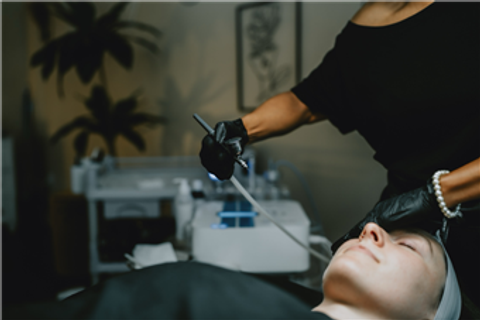
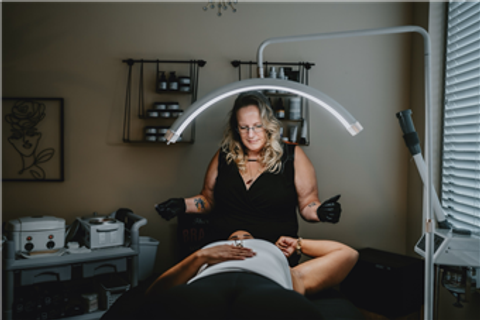
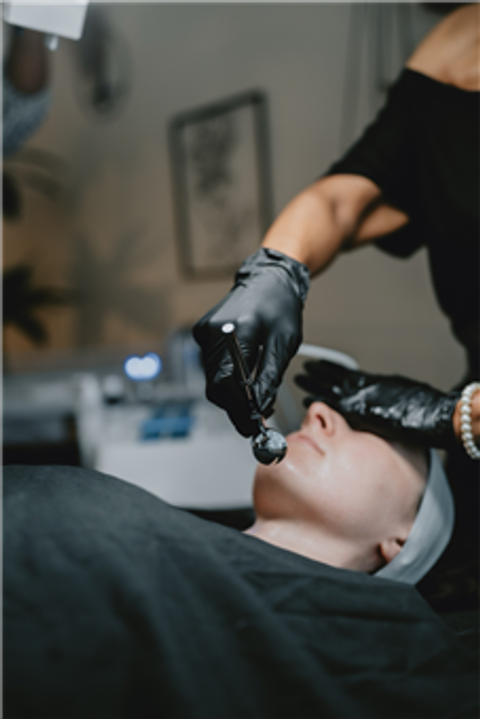
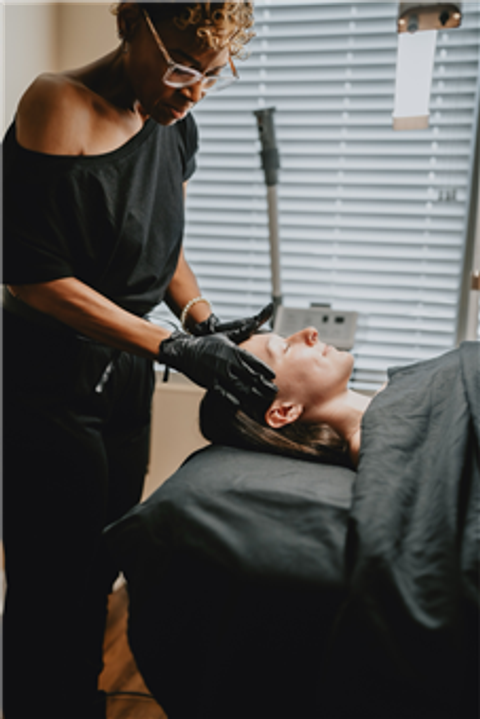
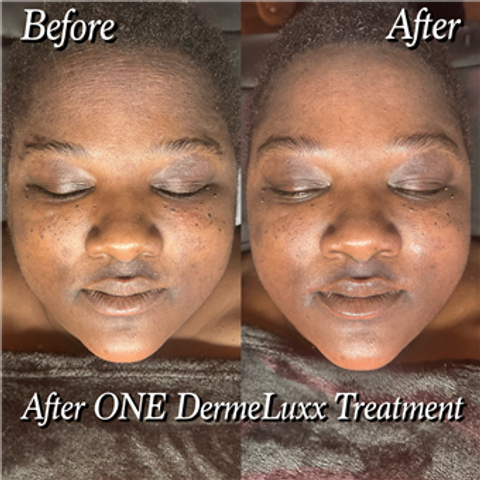
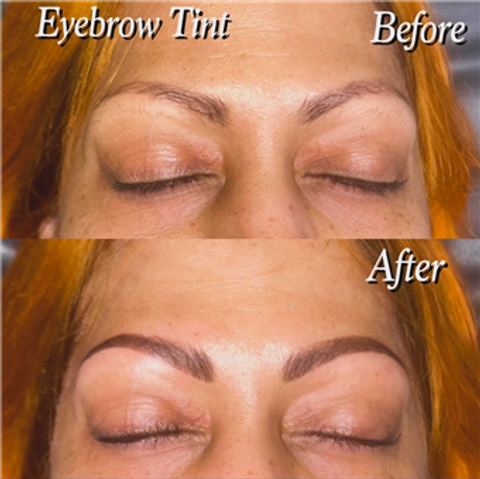
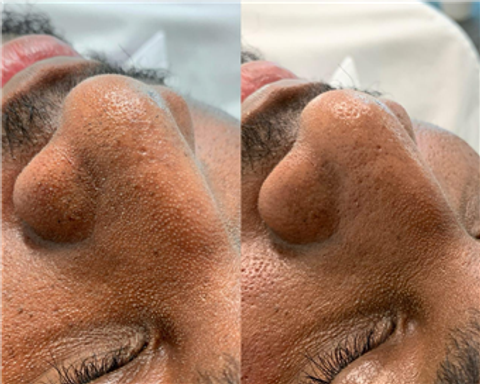
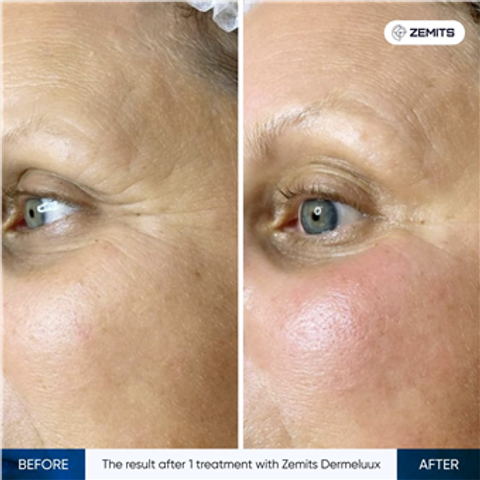
See examples of our Dermaplaning work and results.














What Our Clients Say
$$MultiPurposeText$$
Read testimonials from our satisfied customers

I recently moved to the area and was looking for a new waxing studio, and I am so glad I f...more

I had an amazing experience here. Amber is extremely professional, friendly, and knowledge...more

AMAZING FULL BODY WAXDXX

I enjoy going to mixed esthetics for my waxes. All of the ladies there are great. Excellen...more

I always have a great experience here! The staff are knowledgeable and the studio is beaut...more

Had a very good waxing appointment. They made me feel very comfortable

Frequently Asked Questions
Get answers to common questions about Dermaplaning.
Dermaplaning is a precise, manual exfoliation using a sterile surgical blade to gently remove dead skin cells and fine vellus hair. Treatments typically last 20–40 minutes, depending on added services and consultation.
Dermaplaning can be safe for many skin types but requires professional assessment, especially with active acne, rosacea, or sensitivity. At-home attempts raise risk of irritation and nicks—book with our trained estheticians for a safe, hygienic treatment.
No—dermaplaning removes vellus hair without altering follicle structure. Regrowth remains soft and fine; treatments do not cause hair to grow back thicker, coarser, or darker.
Most clients schedule dermaplaning every 4–6 weeks to maintain smooth texture and radiance, aligning with natural skin cell turnover. Your esthetician will recommend timing based on skin type, sensitivity, and goals.
Yes—dermaplaning pairs well with hydrating facials, serums, and LED therapy to boost results. Strong chemical peels or aggressive resurfacing should be scheduled separately; consult your esthetician to build a safe treatment plan.
After dermaplaning avoid direct sun, exfoliants, and retinoids for 48–72 hours. Use gentle cleansers, broad-spectrum SPF 30+, and hydrating serums. Follow your esthetician's product recommendations to soothe and protect freshly exfoliated skin.